It was never supposed to be.
Not like this.
Anything but this.
You'll see.
So don't clap. Not yet.
Especially if you believe in fairies!
Though if you come with me, sing with me.
I can show you a world beyond reckoning.
This twisted land that never was.
And if I'm right.
Never.
Will.
Be.
You know the story of Peter Pan.
But perhaps you never asked...
(or been able to answer)
Fifteen questions. Open any one.
Fifteen questions. Every one of them sits in the text exactly as Barrie wrote it.
He answered none of them.
Not because he did not know.
Barrie knew.
In his original notes, discovered at the Beinecke Library at Yale, Peter was not the hero. Barrie wrote: "P. a demon boy (villain of story)." Hook didn't exist yet. He was added later because stagehands needed time to change sets.
One of Barrie's working titles was "The Boy Who Hated Mothers." His first instinct was to have Hook played by the same actress who played Mrs. Darling. The mother and the villain were the same person.
In 1908, speaking to a Paris audience in a language most of them barely understood, Barrie said: "Perhaps he was a boy who died young, and this is how the author conceived his subsequent adventures."
He never said it again.
In 1928, when the play was finally published, Barrie wrote: "I have no recollection of having written it."
When Barrie gave the rights to Great Ormond Street Hospital: "Peter Pan was an invalid in the hospital... and it was he who put me up to the little thing that I did." He spoke of Peter as a patient. Not a character.
The boy Barrie named Peter Pan after called the story "that terrible masterpiece."
As a result of childhood trauma, Barrie suffered from psychogenic dwarfism. He stood four feet ten inches tall. The condition is caused by extreme emotional deprivation. His body literally stopped growing because of grief.
The man who wrote the boy who never grew up was a man whose body did the same thing. Not as fiction. As biology.
The body obeyed the wound.
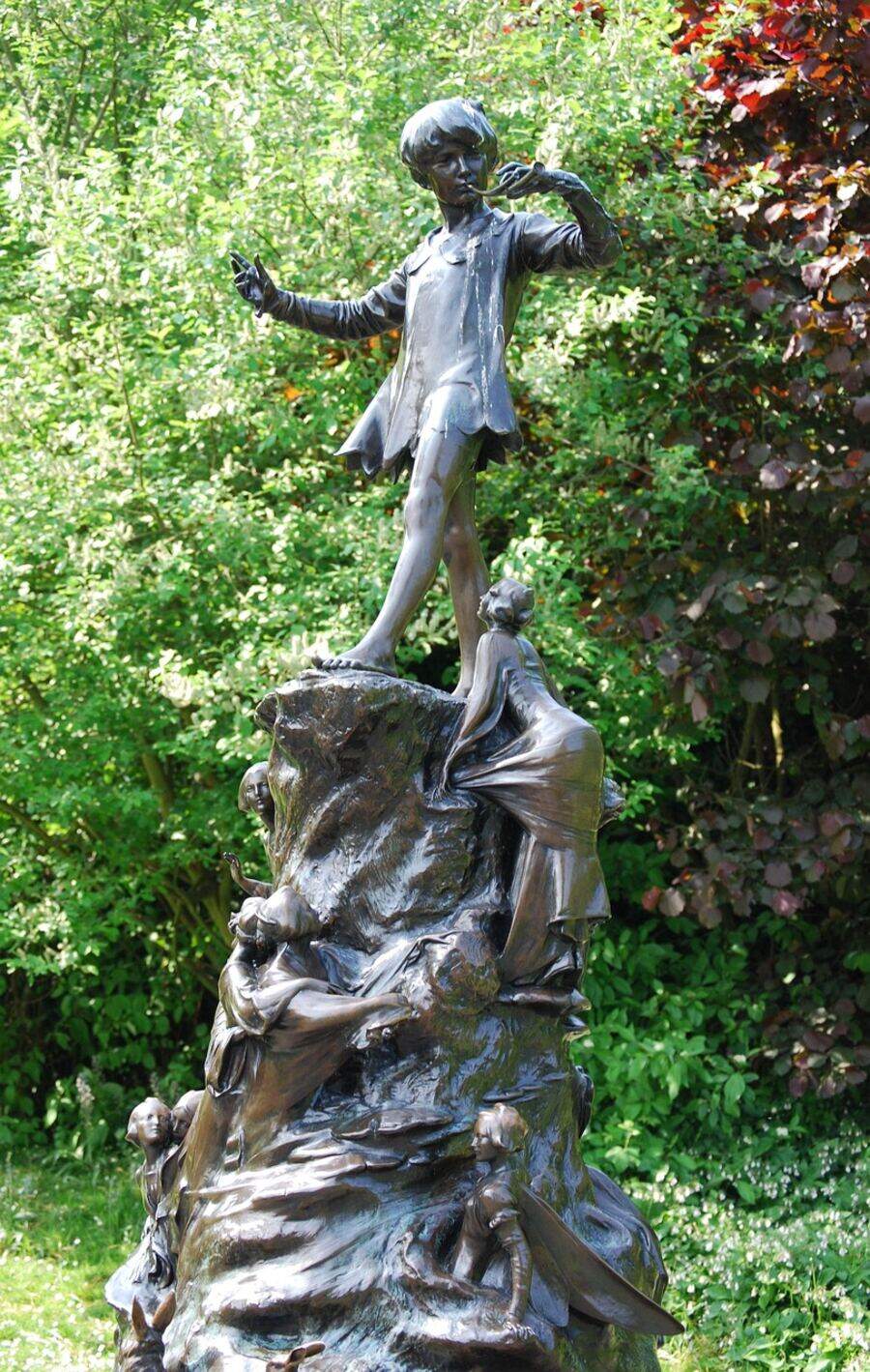
"I don't want ever to be a man," he said with passion. "I want always to be a little boy and to have fun."
J.M. Barrie, Peter and Wendy, 1911
He never told you why.
And you never looked down at the blood soaked hands of the narrator.
The True Story of Neverland
Pan Eternal
The true story has never been told.
The signal kept broadcasting until it found a receiver.
He leaves things on windowsills.
Found on the sill.
The only thing down here that kept its color.
What follows touches the architecture of childhood harm. Proceed with emotional intelligence.
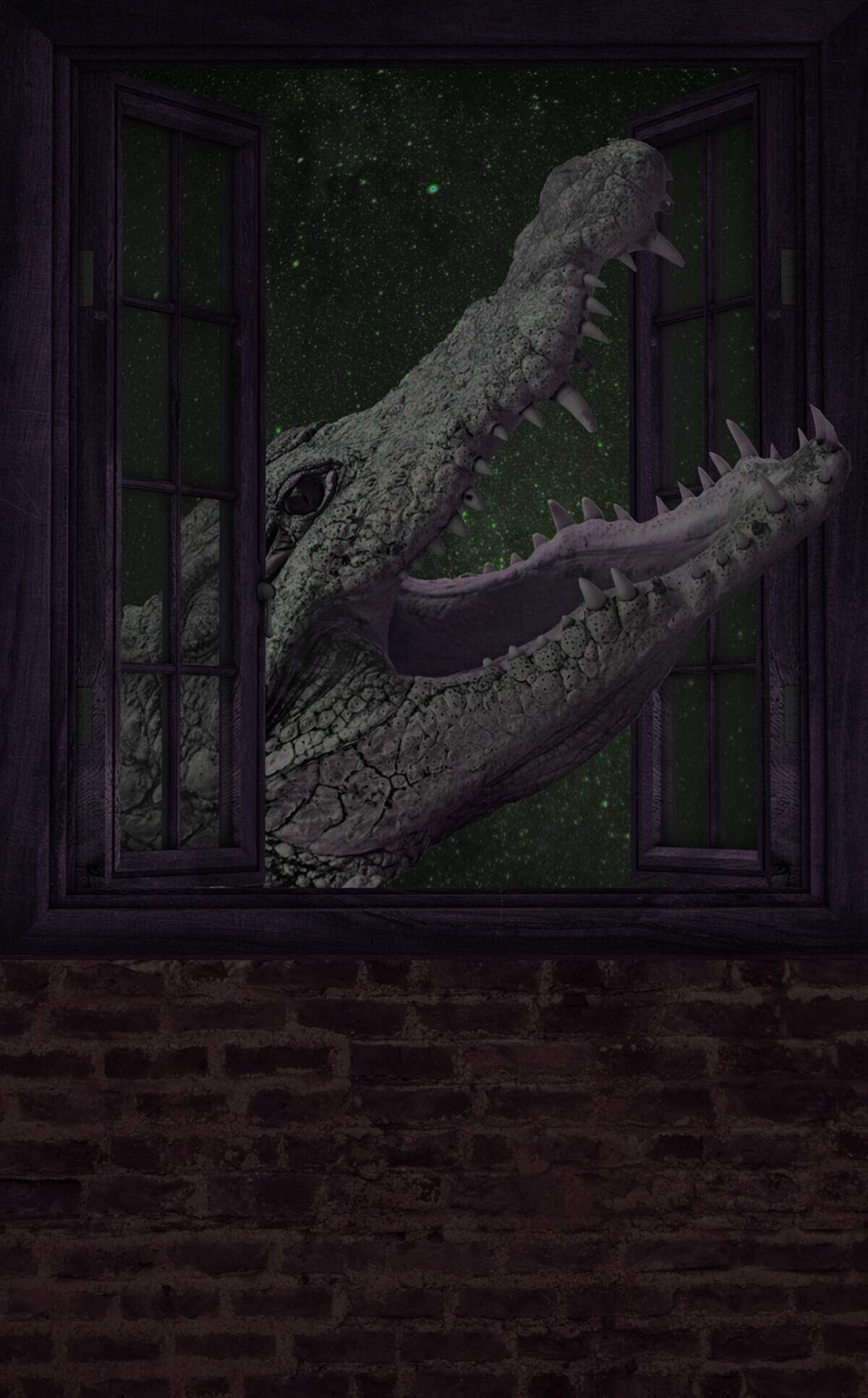
The trilogy reveals Peter Pan as a closed system of narcissistic survival. A boy who escaped something real, built a world to contain it, and then forgot he built it. Hook is not a villain. He is what remains of the doctor who tried to help. The crocodile is not an animal. It is time itself, swallowed whole and still ticking. Tinker Bell is not jealousy. She is the light his mother left behind, and every time she dims, something true is being forgotten.
An origin. A testimony. An awakening. Book Two, The True Story of Neverland, is the heart of it. The story you think you know, retold with the threads Barrie left for someone to find. It is written. It is available now in pre-print, for those willing to reach the border of Neverland before the map is finished.
Books One and Three are on their way. When they arrive, the story you read in Book Two will change. Not a single word will be different. But you will be.
Stories for young readers are coming. On another shore, in another light. Not through this door.
Twenty original songs, written from inside the mythology. Not a soundtrack added after the fact. Music that grew alongside the story, from the same root, in the same soil. You will hear them before you understand them. You will understand them after you have read the record. Then you will hear them again, and they will not sound the same.
Alongside the original score, five artists whose existing work already lived inside this world without knowing it. Songs written for other reasons that were always headed here. That is how everything arrives at Neverland. By accident. And then it turns out it was not.
More is coming through.
Pop-up performances are already happening. Fragments of the story told live, in rooms where the border between the audience and Neverland gets thin enough to step across. Small gatherings. Intimate tellings. You arrive expecting entertainment. You leave carrying something.
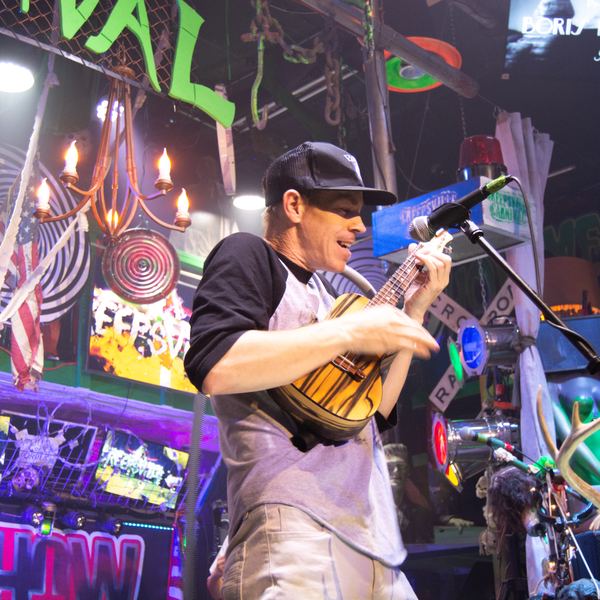
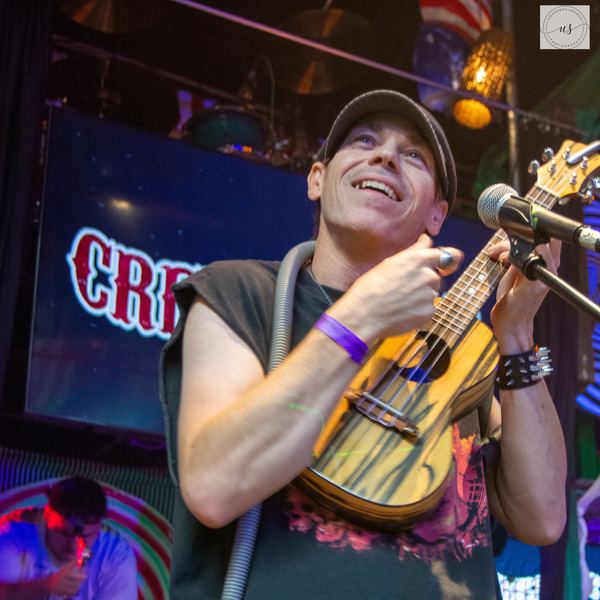
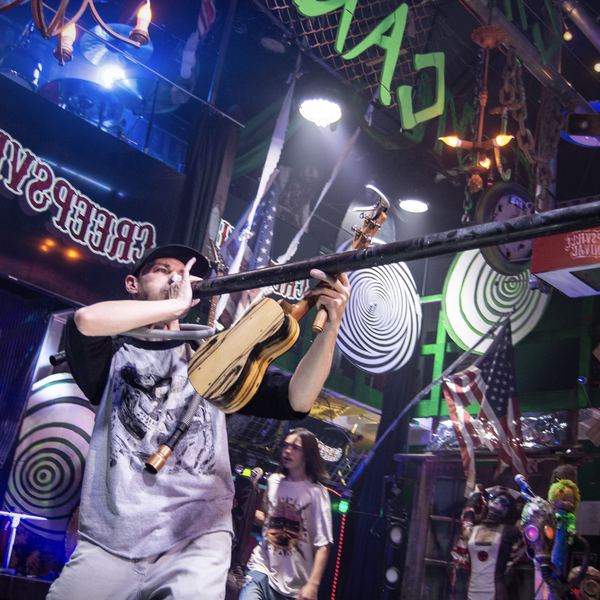
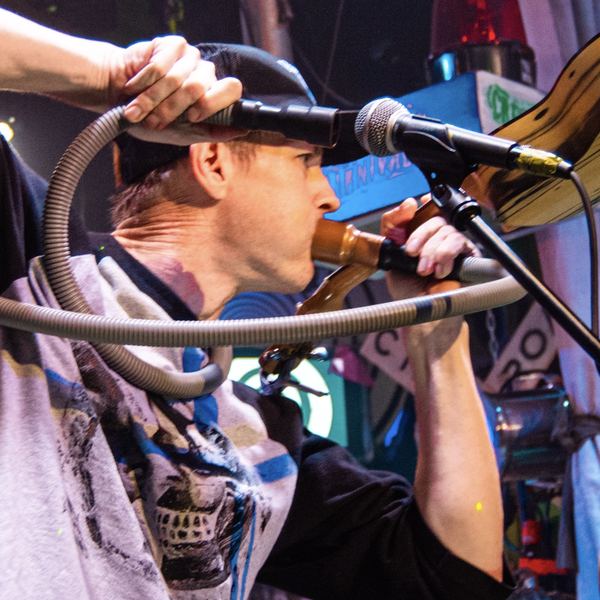
Plates I through IV. The storyteller, mid-transmission.
A full stage production is in development. The complete story. The original music. Every layer available to every eye willing to see it. That is where this is going.
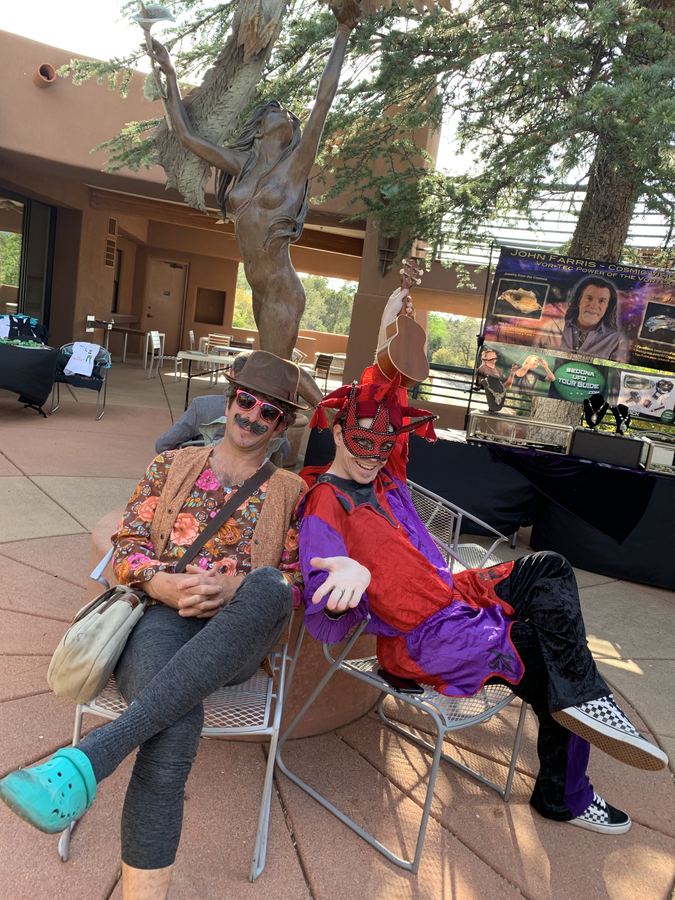
Pan Eternal is built to be carried by more than one voice. Performers, directors, musicians, and storytellers who want to stage their own tellings in their own rooms. Costume makers and set builders who want to dress Neverland in the physical world. Illustrators who want to give these faces their shapes. Composers who hear something in the score and want to answer it.
If you make things, and the things you make have been looking for a story to live inside. This might be the story.
He never used the door.
You will.
The record is being written. The transmissions are coming through. The performances are already happening. When the next thing surfaces, be someone it can find.
Second star to the right.
Straight on till morning.
We will never share your information.
Straight on till morning.
It was never supposed to be.
Not like this.
Anything but this.